

The Unfolding Story of British Horse Racing: What Happens When It’s Not On?
Horse racing in the United Kingdom is often considered a part of the national identity, a thrilling spectacle that draws millions of fans and generates substantial economic activity. However, what happens when British horse racing events are not taking place? The implications reach beyond the racetracks and touch various aspects of society, from economic impacts to community spirit. As fans wait impatiently for the next event, British horse racing not on GamStop UK horse racing not on GamStop provides a vivid representation of how the passion for racing continues to thrive, even in the quiet periods.
The Economic Impact of Racing Downtime
When racing is not taking place, the immediate economic effects can be witnessed across several sectors. Tracks often rely heavily on ticket sales, betting revenues, and associated services like hospitality. All these channels contribute significantly to the local and national economy. According to recent studies, the equine industry contributes approximately €4 billion (around £3.5 billion) annually to the UK economy. The absence of racing events can lead to a considerable dip in this revenue stream.
Additionally, small businesses that cater to racegoers—such as hotels, restaurants, and transport services—can experience a downturn. Many service operators depend on the influx of visitors generated by races, and without this flow, seasonal employment, business stability, and growth are at risk. Regional economies that thrive on the events must actively seek alternative means to sustain their financial health.
The Community Aspect: Racing as a Social Event
Beyond economics, horse racing acts as a community gathering point, fostering social bonds and camaraderie among fans. The absence of racing days can be felt by fans who see these events as social milestones, where friends and families come together to share memorable experiences. The atmosphere at racing events creates a unique sense of belonging—whether it’s dressing in elegant attire for Ladies Day or strategizing bets with fellow enthusiasts, the connections made during races often last a lifetime.
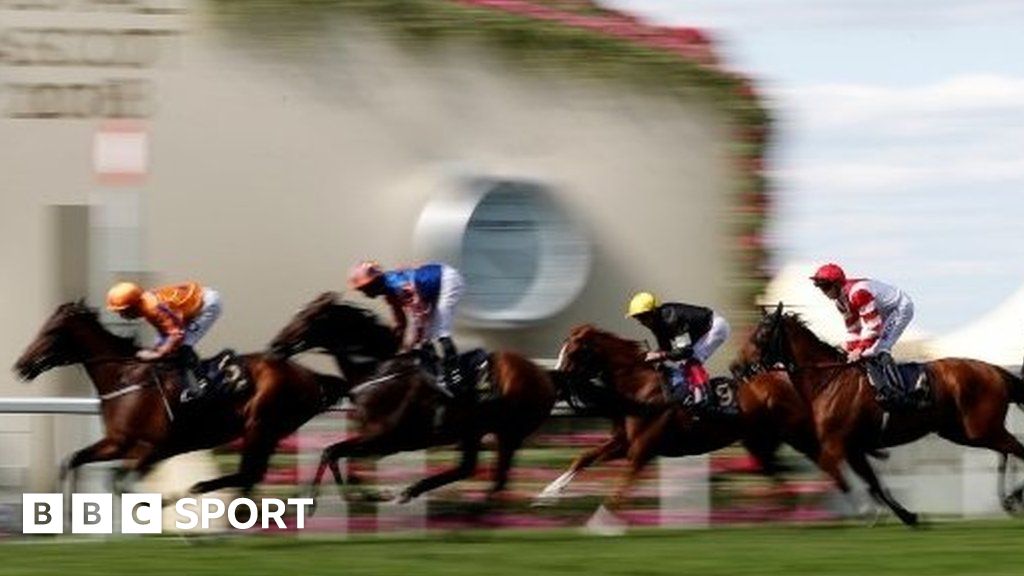
Racing absence leads many communities to seek alternative social events or activities, but there’s often a void that’s hard to fill. Local racing clubs and events may attempt to fill this gap, but they often fall short of the flair and excitement of racing’s major events. The magic of horse racing is not just in the thrill of the race; it is also in the community spirit that races foster.
The Role of Online Betting
With British horse racing temporarily sidelined, many bettors turn to online platforms for their wagering needs. The popularity of online gambling has been on the rise, allowing fans to engage with racing via virtual means. While this helps maintain interest and activity in the betting scene, it also raises questions about responsible gambling.
As traditional betting avenues close, online platforms become essential. Many bettors switch to other sports, but those who are more committed to horse racing are left seeking digital alternatives. However, this transition has its nuances, as the thrill of watching a race live cannot be replaced by online simulations. Issues of problems gambling may arise due to the easy accessibility these platforms provide, making it crucial for bettors to maintain self-regulation.
Alternative Events in the Absence of Racing
In periods when racing is not on, various events attempt to fill the gap. One unique alternative that has gained popularity is virtual racing. These digitally simulated races allow fans to place bets and engage with the sport, albeit without the real-life thrill and unpredictability of genuine races. However, the overall experience remains somewhat muted compared to the authentic joy of witnessing a live race.
Additionally, societies may organize local horse shows or competitions to keep the spirit of equine sports alive. These events not only feature different kinds of equestrian skills but a

lso give lesser-known competitors a platform to showcase their talents. While these are excellent community-building initiatives, the turnout often pales compared to the grand racing events.
The Future of Horse Racing in Downtime
To remain relevant, the horse racing industry must evolve and innovate continuously. One avenue is to create interactive digital experiences that engage fans even when physical events are not happening. This might include augmented reality experiences where fans can participate in virtual races or access race lessons that educate on horse care and training.
Furthermore, promoting lesser-known tracks and ensuring that horse racing is inclusive and accessible to all can bolster the community spirit year-round. Embracing social media platforms for fan interaction and creating a thriving online community may also help maintain interest during downtime.
Conclusion
British horse racing is more than just a sport; it is a significant cultural phenomenon that impacts numerous sectors and communities. When racing is not on, the effects ripple through various aspects of society—from economic downturns to the loss of communal bonds. However, there are many strategies that communities and the racing industry can implement to keep the passion alive. Innovations in digital racing, local equestrian events, and fostering online platforms are pivotal in maintaining the sport’s relevance, even in times of absence. The future of British horse racing hinges not just on the tracks but also on how well it integrates into the lives of its fans when it’s not happening on the racetrack.